

The Chinese takeaway comes to Britain
The Chinese takeaway that we recognise today is a relatively recent feature of the British shopping parade. Its origins, however, go back much further. Chinese communities had been established around Britain’s ports during the nineteenth century, particularly in London and Liverpool, with Chinese sailors among the earliest migrants. Food businesses developed around these communities, initially serving people who wanted something familiar from home.
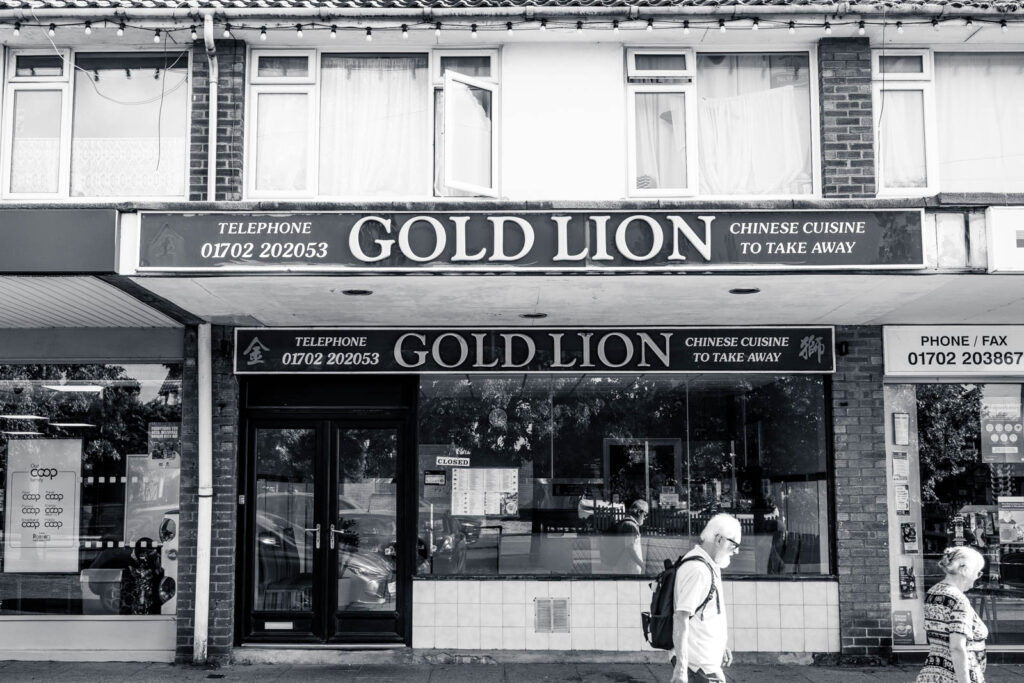
For much of the first half of the twentieth century, Chinese restaurants remained a relatively unusual sight. That began to change after the Second World War. Immigration from Hong Kong increased, particularly during the 1950s and 1960s, and catering became an important source of employment and business ownership for Chinese migrants. The number of Chinese food businesses grew rapidly, and they began appearing far beyond the established Chinatowns of Britain’s larger cities.
From restaurant to takeaway
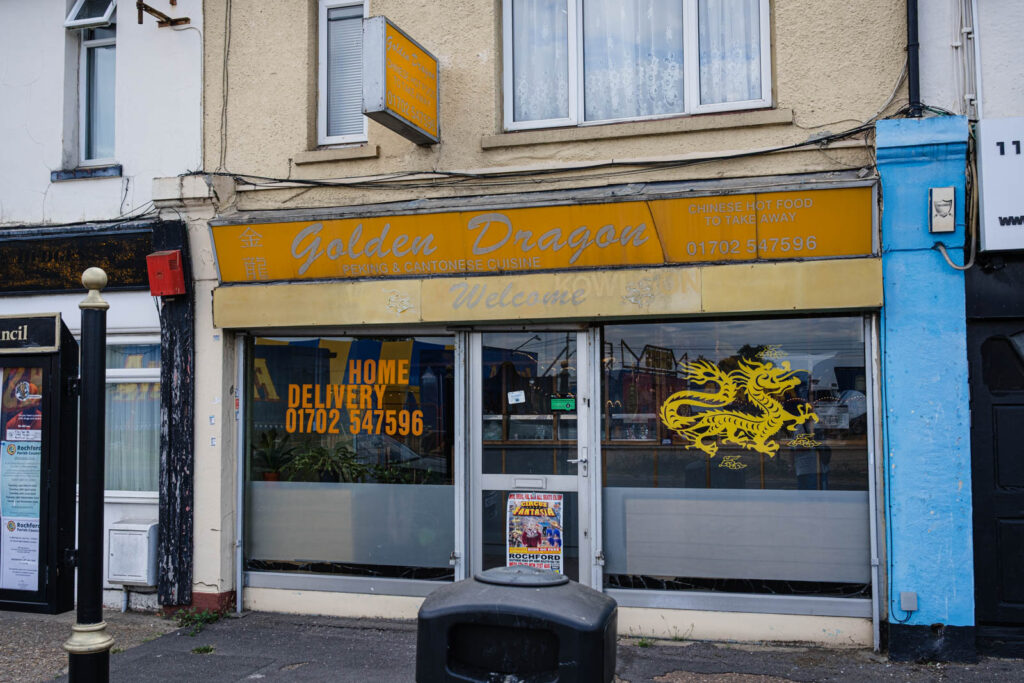
The takeaway was particularly well suited to this new generation of small family businesses. A restaurant required a substantial premises, furniture, staff and investment. A takeaway could operate from a much smaller shop, with a kitchen occupying most of the space and only a counter separating the business from the customer.
That made the suburban shopping parade an ideal location. There was no need to compete for an expensive city-centre site. A modest shop on a residential road could provide access to hundreds or thousands of nearby households. By the 1960s and 1970s, Chinese takeaways were becoming a familiar sight in towns and suburbs across Britain.
And that helps explain something which is easy to overlook today: the Chinese takeaway didn’t arrive on the British parade as an established part of our food culture. It grew alongside the communities that owned it.
A very British kind of Chinese food
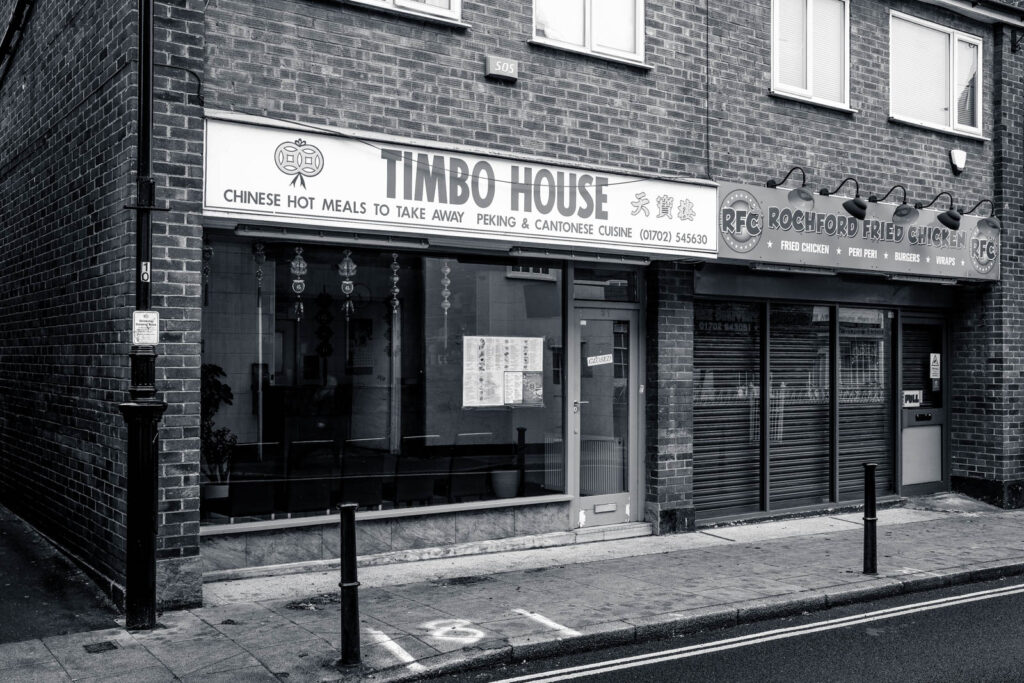
What was being sold was not necessarily the food that Chinese families themselves would have eaten at home. Menus were adapted to what British customers wanted, what ingredients were available and what could be prepared quickly and economically.
The result was a cuisine that was neither entirely Chinese nor entirely British. Chow mein, sweet and sour dishes, egg fried rice and spring rolls became familiar to generations of Britons, while chips, curry sauce and other adaptations appeared alongside them. The British Chinese takeaway effectively developed its own culinary language.
That is an important part of its history. Calling this food “inauthentic” misses the point. It was adaptation in action – immigrants building a business in a new country and adjusting what they sold to the people who lived around them.
The family behind the counter
Perhaps the most interesting aspect of the Chinese takeaway is the family business behind it.
For many first-generation Chinese immigrants, running a takeaway was not simply a job. It could become the family’s livelihood and, eventually, the family business. Husband and wife might work together, children could grow up helping in the shop, and eventually a son or daughter might take over from their parents. Research into Chinese businesses in Britain identifies small, family-run catering businesses as a particularly important part of this history.
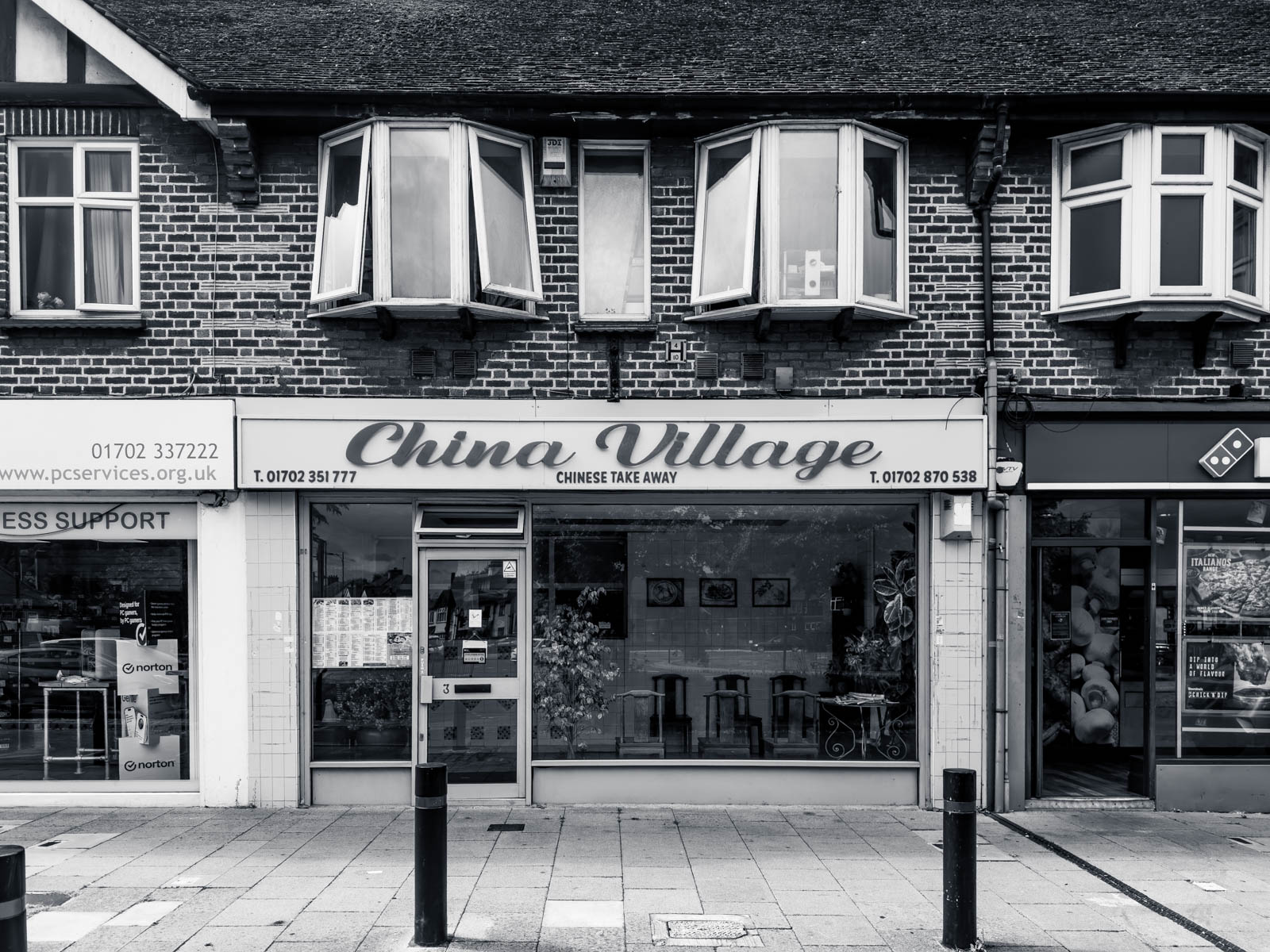
Some businesses survived for decades in the same premises. A child who once sat doing homework in the back of the shop could eventually become the person serving customers at the counter. There are documented examples of Chinese takeaway businesses passing through three generations.
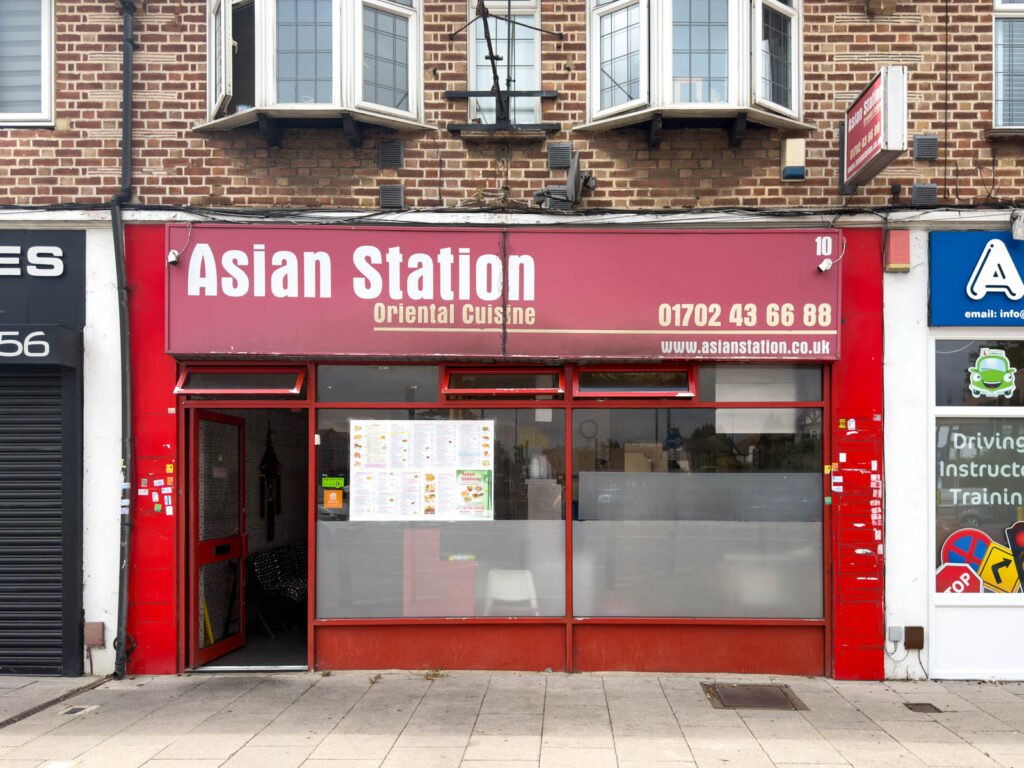
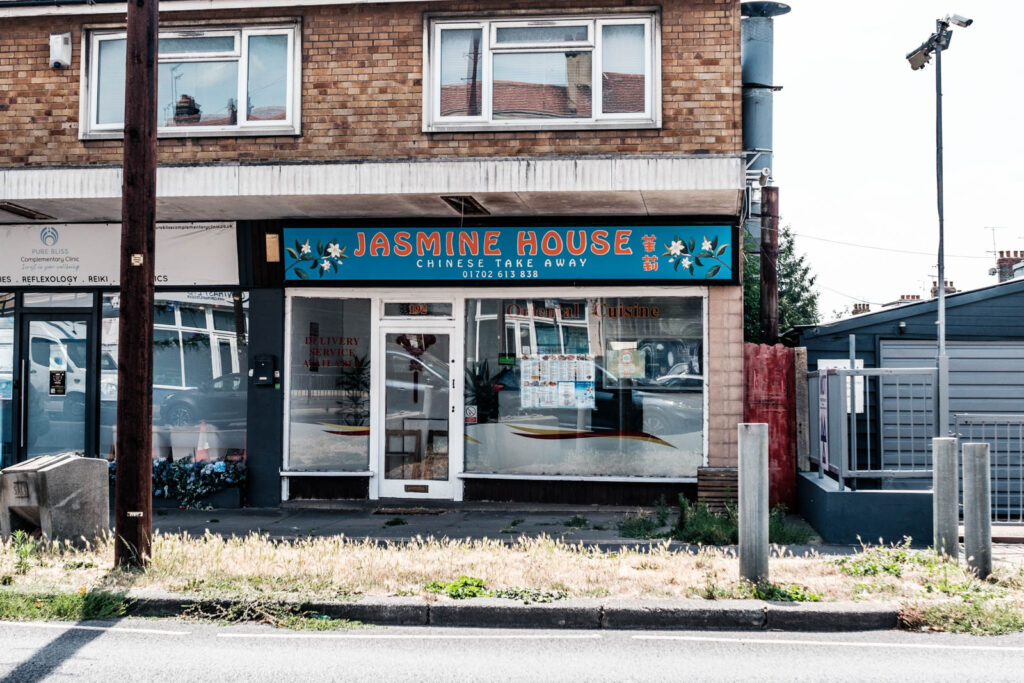
This is one reason the takeaway can seem strangely timeless. The sign might look twenty or thirty years old, the menu may barely have changed and the frontage might not have seen much investment. Yet behind that slightly tired exterior can be a business with several decades of family history.
Why do so many look the same?
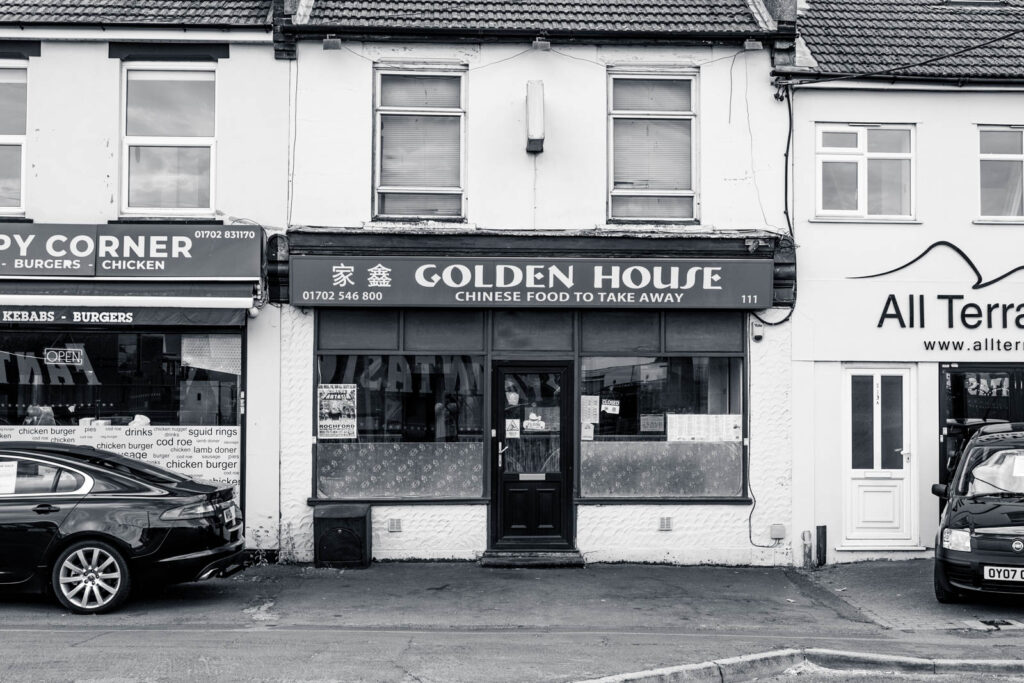
This is where the story becomes particularly relevant to The Local Parade.
The Chinese takeaway is almost perfectly suited to the small neighbourhood parade. It doesn’t need a large shop. It doesn’t need an impressive frontage. It needs a kitchen, extraction, refrigeration, storage and a counter – and, most importantly, a local population within easy delivery distance.
So the businesses settled into the ordinary spaces of Britain’s suburbs: between the hairdresser and the convenience store, next to the launderette, at the end of a parade or occupying a former shop that had previously sold something completely different.
And once established, there was often little reason to move.
The result is the familiar sight we see today: a Chinese takeaway that looks as though it has been there forever.
Some have modernised. Others have barely changed. Some are thriving; others are visibly struggling. Some have been passed from parent to child, while others have closed because the next generation chose a different life.
But collectively they tell a much bigger story than their appearance suggests – of migration, family, entrepreneurship, adaptation and the quiet transformation of Britain’s ordinary shopping streets.
Take a look at the Interactive Map to see all of the local shopping parades that have already been added to the archive.